How to choose the right visual technology for your environment
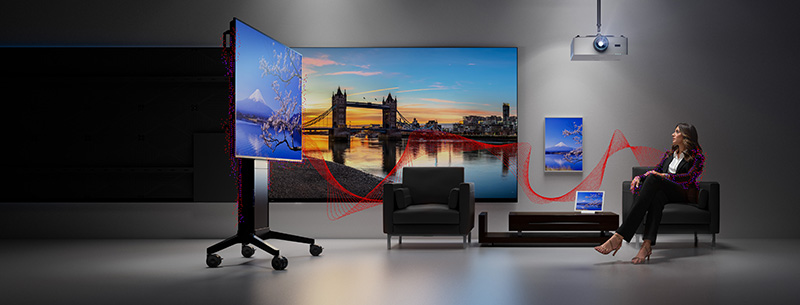
With dvLED, projection, large format displays, and now ePaper, organisations have more visual technology choices than ever before when creating engaging experiences.
But with so many technologies available, choosing the right solution can feel increasingly complex. The reality is that there is no universal best technology, only the solution best suited to the environment, audience and objectives.
That’s why a consultancy-led approach is important. By first understanding the space, the content and the desired user experience, it becomes much easier to identify the technology that will deliver the best long-term results. As your technology partner, Sharp can help guide that decision.
The perfect-fit visual solution
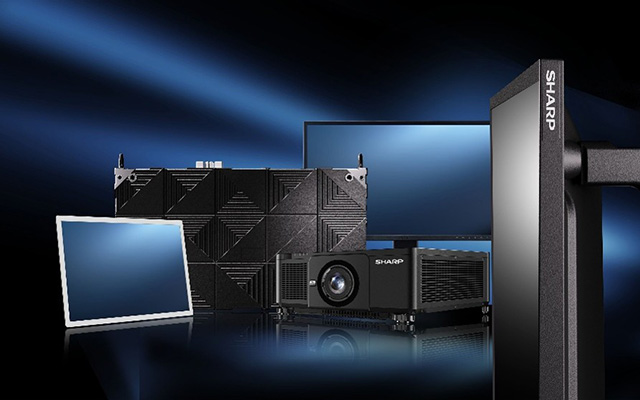
We take a technology-agnostic approach to visual solutions. Because we offer all the major display technologies - dvLED, large format displays, projection and ePaper - our recommendations are driven entirely by customer needs.
Every project begins by understanding the experience the customer wants to create. Factors such as viewing distance, ambient light, content type, operating hours, sustainability goals and installation requirements all help determine the best-fit solution.
Sometimes the answer is dvLED. Sometimes it’s projection, a large format display or ePaper. Often, it’s a combination of technologies working together to deliver the best possible result.
Technology should support the environment and the user experience, rather than dictate it.
Every technology has a place
Rather than competing against each other, visual technologies are often complementary. Each one brings strengths that make it ideal in certain situations. Our experts can help you tailor the right solution for your unique applications.
dvLED – scale, brightness and long-term performance
Direct view LED excels when visual impact is the priority.
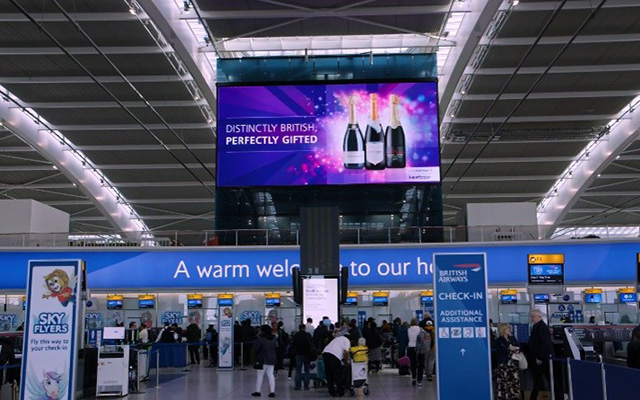
Its seamless design, high brightness and durability make it ideal for corporate foyers, retail environments, entertainment venues and outdoor applications. It performs particularly well in bright environments where other technologies can struggle. With fine pixel pitches, dvLED is increasingly being used in prestige meeting rooms and board rooms, where visual impact and premium presentation are business critical.
dvLED offers excellent longevity making it a strong long-term investment for organisations operating displays for extended hours every day.
Protect your LED investment: why a Service Program is essential to maximise its 10+ year potential
Best suited for:
- Bright indoor or outdoor environments
- Premium branding
- Prestige meeting rooms
- Large seamless digital canvases
- Making a visual impact
Things to consider:
- Higher upfront investment
- More specialist installation requirements
- A service program safeguards anticipated long lifecycle
Large Format Displays – a mainstay for signage and meeting spaces
Professional LCD large format displays remain one of the most widely used visual solutions.
Commercial-grade displays deliver excellent image quality, slim bezels and dependable performance across a wide range of everyday professional applications. They are also available with interactive functionality, integrated smart capability and compatibility with third-party solutions, allowing organisations to tailor systems to their exact requirements.
Don’t be tempted by seemingly low-cost domestic TVs for professional applications. They are not designed for commercial operating environments and can prove more costly over time.
Why domestic TVs are not up to the job for Professional Digital Signage
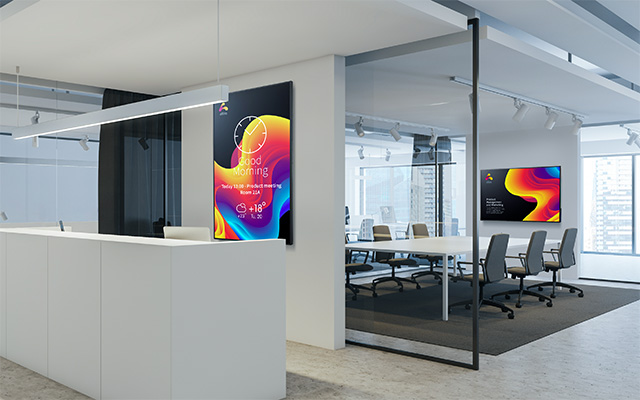
Best suited for:
- Meeting rooms and classrooms
- Corporate communications
- Retail signage
- Passenger information
- Close viewing applications
Things to consider:
- Bezels, although narrow, remain visible in multi-screen configurations
- Look for high-haze panels to minimise reflections and glare
- Compatibility with third-party peripherals, platforms and providers
Projection – versatility and immersion
Laser projection delivers the lowest cost per square inch of image whilst offering exceptional versatility.
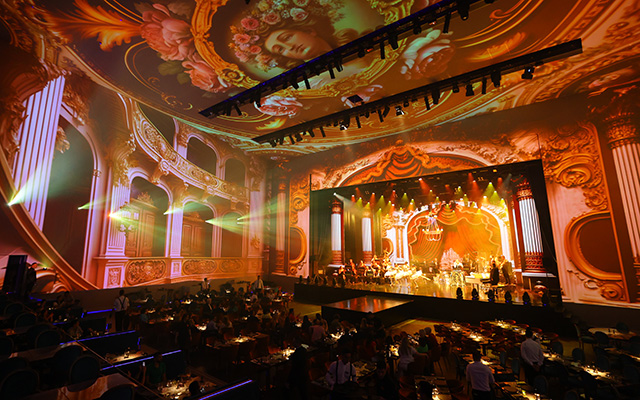
From large venues to immersive visitor attractions, projection can create very large images with impressive flexibility and relatively low physical impact within a space. Unlike dvLED and large format displays, there is less mounting infrastructure required and, when the image is not needed, the projector itself remains almost unnoticed.
Projection also enables creative applications that would be difficult or costly to achieve with other technologies.
Spectacular 270-degree immersive experience at the Cosmos Theatre
Best suited for:
- Large venues such as auditoriums and lecture theatres
- Classrooms and meeting rooms
- Immersive environments
- Projection mapping
- Creative installations and POS
Things to consider:
- Ambient light and the projection surface will impact image quality
- Requires a suitable projection surface, although the possibilities are almost limitless!
- Brightness levels require careful planning depending on the environment
ePaper – low power, high efficiency
ePaper takes a very different approach to visual communication.
Using power only when content changes, ePaper technology offers an ultra-low energy alternative for displaying static or periodically updated information. Since it doesn’t need to be located near a power outlet, there are endless installation opportunities. It provides excellent readability in bright environments and delivers a more natural, paper-like appearance.
As organisations place greater emphasis on sustainability and energy efficiency, ePaper is becoming increasingly relevant across many sectors.
Sharp ePaper Display: a new kind of display that thinks like paper
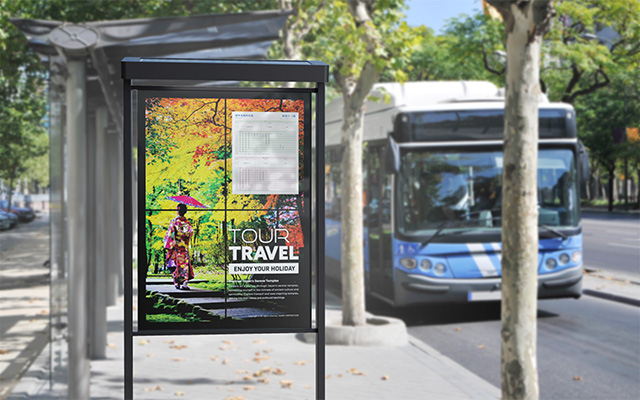
Best suited for:
- Poster replacement
- Wayfinding and timetables
- Shelf edge labels and POS
- High bright environments, including outdoor if protected
- Sustainability-focused environments
Things to consider:
- Not designed for video or moving content
- Slower refresh rates
- Requires illumination in dark environments
Reliability and sustainability go hand in hand
Choosing the right display technology is not just about image quality. Long-term reliability, operational efficiency and sustainability are equally important considerations.
Display Solutions for the long haul: how to maximise the value of your investment
Products designed for professional use should deliver consistent performance over many years, while also supporting lower energy consumption, reduced maintenance and extended operational life.
Sustainability is closely linked to durability, which is where Sharp’s high-quality engineering is so important. A longer-lasting product reduces unnecessary replacement and electronic waste while improving return on investment over time.
Serviceability also matters. Technologies that can be repaired, maintained or upgraded help organisations maximise the value of their investment and reduce lifecycle impact.
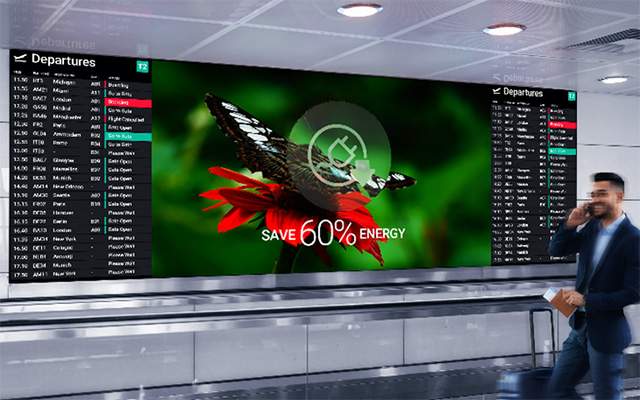
Different technologies contribute to sustainability in different ways, for example:
- dvLED offers extremely long operational life and serviceable components, alongside impressive energy efficiency.
- Professional large format displays with modular computing can be upgraded and reconfigured to extend the lifecycle.
- Laser projectors do not require lamp replacement over their long lifecycle and need only minimal infrastructure.
- ePaper dramatically reduces power consumption with zero energy usage when displaying an image, while also eliminating the waste associated with printed posters.
Putting customer experience first
The most successful AV projects begin with understanding the environment and the people using it.
What does the space need to achieve?
How will people interact with it?
What conditions will the technology operate in?
What experience should it create?
Only then does the right technology become clear.
By offering the full range of major visual technologies, Sharp can take an objective approach to every project, recommending the best-fit solution based entirely on customer need.